There are two ways to work with creators in 2026: hire them yourself through a marketplace (browse, pick, book, done), or run programs at scale through an enterprise platform (databases, outreach, CRM, reporting). Most "best influencer platform" lists blur the two and leave you more confused than when you started.
This guide rates and ranks the real options, marketplaces and platforms, on the things that actually decide whether you get good content for your money: creator quality and vetting, pricing transparency, how fast you can go from "I need a creator" to "I have the content," payment safety, and who each one is genuinely built for. We'll tell you the best pick for most people up front, then break down every option so you can match one to your budget and use case.
How we rated them
Every platform below is scored out of 10 across five criteria, then given an overall:
- Creator quality and vetting , are the creators real, engaged, and brand-safe, or is it a sea of bought followers?
- Pricing transparency , can you see what you'll pay before a sales call, or is it "request a demo"?
- Speed and ease , how fast from sign-up to booked content?
- Payment safety , is there escrow or buyer protection, or are you wiring money on trust?
- Fit , who it's actually built for (solo brand, SMB, agency, enterprise).
A quick note on honesty: a high-priced enterprise platform isn't "worse" than a marketplace, it's built for a different buyer. We flag fit explicitly so you don't overpay for a Ferrari to drive to the corner store, or try to run a global program out of a tool built for one-off bookings.
What makes a great influencer marketplace (the buyer's guide)
Before the rankings, here's what actually separates a marketplace worth your money from one that wastes it. Use this as a checklist whichever way you go:
- Transparent, upfront pricing. If you can't see what a creator costs without a negotiation or a sales call, you're going to waste hours and probably overpay. The best marketplaces list fixed prices.
- Real vetting and reviews. Anyone can buy followers. You want a platform that vets creators and surfaces real ratings and past work so you're not gambling.
- Escrow / buyer protection. You're hiring strangers. Your money should be held and only released when the work is delivered. No escrow means no recourse.
- The right content type. Decide whether you need UGC (content you use in your own ads, no posting) or influencer posts (content published to the creator's audience for reach). The best marketplaces offer both, clearly labeled.
- Niche and platform coverage. Make sure the marketplace actually has depth in your niche and on the platforms you care about (IG, TikTok, YouTube), not just a thin catalog.
- No lock-in for occasional use. If you book a few creators a quarter, a monthly subscription is dead weight. Pay-per-booking models fit most brands far better.
Score a platform against those six and the rankings below will make intuitive sense.
The rankings at a glance
| Platform | Model | Best for | Pricing | Overall |
|---|---|---|---|---|
| Collabstr | Marketplace | Most brands, SMBs, agencies, DTC | No monthly fee, pay per booking | 9.3 / 10 |
| Upfluence | Platform | Scaling brands running many campaigns | Custom, mid-to-high | 8.2 / 10 |
| Aspire | Platform | E-commerce running ongoing programs | Custom, high | 8.0 / 10 |
| GRIN | Platform | DTC brands deep on Shopify | Custom, high | 7.9 / 10 |
| #paid | Hybrid | Brand-safe, vetted mid-market campaigns | Custom | 7.6 / 10 |
| Insense | Marketplace | UGC for paid ads / performance creative | Subscription + content cost | 7.5 / 10 |
| Modash | Discovery | Finding + vetting creators by data | Subscription | 7.3 / 10 |
| TikTok Creator Marketplace | Native | TikTok-only campaigns | Free to use | 7.2 / 10 |
| Shopify Collabs | Native | Shopify stores, gifting + affiliate | Free + commission | 7.0 / 10 |
| Fiverr (Pro) | Freelance | Cheap one-off UGC, tight budgets | Pay per gig | 6.6 / 10 |
1. Collabstr , Best overall (9.3 / 10)
If you want one recommendation for the majority of brands, agencies, and DTC stores, it's Collabstr, and it earns the top spot because it removes almost every point of friction that makes influencer marketing painful.
Collabstr is a true marketplace: you browse a catalog of vetted creators across Instagram, TikTok, YouTube and UGC, filter by niche, platform, price and audience, and book directly at a listed price, no back-and-forth negotiation, no "request a quote," no waiting a week for a media kit. You see the price, you book, the creator delivers. That alone puts it ahead of most of the field for anyone who values their time.
Why it scores so high:
- Pricing transparency (10/10). Every creator lists fixed prices. You know your cost before you commit. This is rarer than it should be, most platforms hide pricing behind a sales call.
- Speed and ease (10/10). Sign-up to booked content can happen the same day. There's no onboarding gauntlet, no minimum spend, no annual contract. For a small team that needs content this week, nothing else comes close.
- Payment safety (9/10). Payments are held in escrow and released when work is delivered, so you're not wiring money to a stranger and hoping. Buyer protection is built in, which matters enormously when you're hiring people you've never met.
- Creator quality (9/10). Creators are vetted before they're listed, and reviews/ratings let you see real track records. You can hire UGC creators (content with no posting) or influencers (content plus posting to their audience), which covers both the "I need creative for my ads" and the "I need reach" use cases.
- Fit (10/10 for SMB/agency). No monthly fee means it scales down to a single booking and up to an agency running campaigns for many clients without a subscription tax. You pay for what you use.
How it works in practice. You sign up free, search by platform and niche (say, "TikTok fitness UGC under $150"), open creator profiles to see sample work, audience, price, and reviews, and book the package you want. The brief and deliverables are agreed in-platform, your payment sits in escrow, the creator delivers, you approve, funds release. Need ten creators for a launch? You can line them up in an afternoon. That speed-with-safety combination is why small teams and agencies love it.
Who specifically wins with Collabstr: DTC brands needing a steady stream of UGC for ads; small businesses that want a creator post without hiring an agency; and agencies sourcing creators for multiple clients without paying for enterprise software. If that's you, start here.
The honest cons: Collabstr is built for direct, transactional hiring, so if you need enterprise-grade campaign management, automated outreach to thousands of creators, or deep multi-touch attribution reporting, you'll outgrow it (that's what the platforms below are for). And like any open marketplace, quality varies by creator, the ratings and escrow are your guardrails, use them.
Bottom line: for SMBs, DTC brands, and agencies that want to find a great creator, see the price, pay safely, and get content fast, Collabstr is the best tool on the market in 2026. It's the one we'd point most people to first. (If you're weighing it against an all-in-one option, see our Inflowave vs Collabstr breakdown.)
2. Upfluence , Best for scaling brands (8.2 / 10)
Upfluence is a full influencer marketing platform: a massive searchable creator database (millions of profiles), automated outreach, campaign management, affiliate and promo-code tracking, and reporting. It's built for brands running many campaigns who need to find, vet, contact, and measure creators systematically rather than one at a time.
- Creator quality / database (9/10): huge reach, strong filtering and audience analytics.
- Pricing transparency (5/10): custom pricing behind a demo, and it lands mid-to-high.
- Speed (7/10): powerful, but there's a learning curve and onboarding.
- Payment safety (8/10): managed payments and workflows.
- Fit: scaling brands and agencies with real program volume, overkill for a one-off booking.
Cons: price and complexity. If you're booking a handful of creators a quarter, you're paying for capacity you won't use. See Inflowave vs Upfluence if you're comparing.
3. Aspire , Best for ongoing e-commerce programs (8.0 / 10)
Aspire (formerly AspireIQ) is relationship-management software for brands running continuous creator programs, especially e-commerce. It shines at managing long-term creator relationships, gifting, affiliate, and content licensing at scale, with solid Shopify integration.
- Creator quality (8/10): good discovery plus a focus on lasting relationships over one-offs.
- Pricing transparency (5/10): custom, premium.
- Speed (7/10): built for programs, not quick hits.
- Payment safety (8/10): managed.
- Fit: mid-market and larger e-commerce brands with an always-on creator motion.
Cons: premium pricing and best value only if you're running ongoing programs, not occasional campaigns.
4. GRIN , Best for DTC on Shopify (7.9 / 10)
GRIN is a creator-management platform built natively for DTC e-commerce. Its Shopify integration is among the deepest, product seeding, discount codes, affiliate links, and revenue attribution all flow through it, so you can tie creator activity to actual sales.
- Creator quality (8/10): strong, with an emphasis on owned relationships (GRIN encourages building your own creator roster rather than renting a marketplace).
- Pricing transparency (4/10): enterprise, demo-gated, expensive.
- Speed (6/10): heavier setup.
- Payment safety (8/10): managed.
- Fit: funded DTC brands that live on Shopify and want sales attribution.
Cons: price and setup put it out of reach for small brands and most solo operators.
5. #paid , Best for brand-safe, vetted campaigns (7.6 / 10)
#paid (hashpaid) pairs brands with vetted creators and leans hard into brand safety and creative fit via its "handraise" model, creators opt in to your brief, so you get people who actually want to work with you. Good middle ground between marketplace and managed platform.
- Creator quality (8/10): vetted, brand-safe, good fit-matching.
- Pricing transparency (5/10): custom.
- Speed (7/10): the handraise model adds a step but improves fit.
- Payment safety (8/10): managed.
- Fit: mid-market brands that prioritize brand safety and creative alignment.
6. Insense , Best for UGC and paid-ad creative (7.5 / 10)
Insense is a marketplace built around UGC for performance marketing. If your real need is a steady stream of ad creative (not influencer reach), Insense connects you with creators who produce content licensed for your paid ads, with whitelisting/Spark Ads support.
- Creator quality (8/10): strong UGC roster tuned for ads.
- Pricing transparency (6/10): subscription plus content cost.
- Speed (8/10): fast for content, briefs to delivery.
- Payment safety (8/10): managed.
- Fit: DTC and performance teams that need ad creative volume.
Cons: less about organic reach, more about creative supply, know which you need.
7. Modash , Best for data-driven discovery (7.3 / 10)
Modash is a discovery and analytics tool with a huge index of creators and deep audience data, fake-follower checks, audience demographics, engagement authenticity. It's less "book a creator" and more "find and vet the right ones," which you then contact directly.
- Creator quality (8/10): excellent for vetting authenticity and audience fit.
- Pricing transparency (7/10): published subscription tiers.
- Speed (6/10): discovery is fast; you still handle outreach and payment yourself.
- Payment safety (5/10): no escrow, it's a discovery layer, not a transaction layer.
- Fit: brands and agencies that want data-led shortlisting before outreach.
8. TikTok Creator Marketplace , Best free native option (7.2 / 10)
TikTok's official Creator Marketplace (TTCM) connects brands directly with TikTok creators, with first-party audience data straight from the platform. It's free to use and the data is as accurate as it gets, because it's TikTok's own.
- Creator quality (7/10): real first-party data, but discovery tooling is basic.
- Pricing transparency (7/10): you negotiate, but no platform fee.
- Speed (6/10): more manual than a polished marketplace.
- Payment safety (6/10): less buyer protection than escrow marketplaces.
- Fit: brands running TikTok-only campaigns who want native data for free.
Cons: TikTok-only, and the tooling is thinner than dedicated marketplaces.
9. Shopify Collabs , Best free option for Shopify stores (7.0 / 10)
Shopify Collabs is Shopify's native creator program: find creators, send gifts, set up affiliate commissions, and pay out, all wired into your store. Free to install (you pay commissions/gifting), it's the easy on-ramp for Shopify merchants.
- Creator quality (6/10): decent discovery, lighter vetting.
- Pricing transparency (8/10): free app, you control commission terms.
- Speed (7/10): quick if you're already on Shopify.
- Payment safety (7/10): payouts handled in-platform.
- Fit: Shopify stores wanting an affiliate/gifting motion without new software.
10. Fiverr (Pro) , Best for tight budgets and one-off UGC (6.6 / 10)
Not an influencer platform per se, but Fiverr (especially Fiverr Pro) is where a lot of small brands get cheap, fast UGC and basic creator content. If budget is the constraint and you just need a usable video, it does the job.
- Creator quality (6/10): highly variable, vet carefully via reviews.
- Pricing transparency (8/10): clear gig pricing.
- Speed (8/10): fast.
- Payment safety (8/10): Fiverr holds funds.
- Fit: shoestring budgets, one-off content, not reach campaigns.
Marketplace vs platform vs agency: which model do you need?
- Marketplace (Collabstr, Insense, TTCM, Shopify Collabs, Fiverr): you do the picking, you pay per booking, you move fast and keep costs low. Best for most SMBs, DTC brands, and agencies, and the reason Collabstr tops this list.
- Platform (Upfluence, Aspire, GRIN, Modash): software to run or scale creator programs, discovery, outreach, CRM, attribution. Worth it once you're running enough volume that the subscription pays for itself.
- Agency (done-for-you): you hand it off entirely. Highest cost, lowest effort, best when you have budget but no time or in-house expertise.
If you're not sure, start with a marketplace. You'll learn what works with real bookings and real content before committing to an enterprise contract, and you can graduate to a platform when volume justifies it.
Micro vs macro vs nano: who should you actually hire?
The platform matters less than picking the right tier of creator for your goal:
- Nano (1k-10k followers): highest engagement and trust, lowest cost, hyper-niche. Great for local businesses and tight-budget UGC. You'll need volume (many creators) for reach.
- Micro (10k-100k): the sweet spot for most brands, strong engagement, real niche authority, still affordable. Most Collabstr bookings live here, and the data consistently shows micro-creators outperform on engagement and conversion per dollar.
- Macro (100k-1M): broad reach, higher cost, lower engagement rate. Good for awareness pushes when you have budget.
- Mega/celebrity (1M+): mass awareness, premium price, usually agency-brokered. Rarely the efficient choice for performance.
For most SMBs and DTC brands, a portfolio of micro and nano creators booked through a marketplace beats one expensive macro post, more content, more social proof, more shots on goal, lower risk.
How to vet a creator before you book (red flags)
Even on a vetted marketplace, do a 60-second check before you spend:
- Engagement vs followers. A creator with 200k followers and 300 likes a post has a bought or dead audience. Look for engagement that's proportional and real (comments from humans, not emoji spam).
- Comment quality. Read the comments on recent posts. Genuine conversation = a real audience. Generic "🔥🔥" from bot-looking accounts = a red flag.
- Audience location and language. Make sure their audience is where your customers are. A cheap creator whose audience is the wrong country is worthless to you.
- Content consistency and brand fit. Does their style match your brand? Mismatched creators produce content that underperforms no matter the reach.
- Reviews and past brand work. On Collabstr and similar, prior reviews are gold, use them.
How to write a brief that gets you great content
The single biggest driver of campaign quality after creator choice is your brief. Keep it tight:
- One clear objective (UGC for ads, awareness, conversions, links).
- The hook or angle you want, and one you explicitly don't.
- Must-include points (offer, key benefit, CTA) and must-avoid claims.
- Format specs (aspect ratio, length, raw files vs edited, usage rights for ads).
- One reference example of the vibe you want.
Then get out of the way, creators know their audience better than you do. Over-scripting kills the authenticity that makes creator content work.
The step everyone underestimates: managing it after you book
Here's what no marketplace ranking tells you: finding the creator is the easy 20%. The 80% that decides whether the campaign makes money is everything after, briefing, approvals, tracking which content drove sales, fielding the inbound DMs and comments the content generates, and following up with the leads it creates.
When a creator's post or your UGC ad goes live, the comments and DMs roll in, "where do I buy this?", "what's the price?", "is this legit?". Those are leads you paid for. If they sit unanswered, the campaign underperforms no matter how good the creator was. This is the layer Inflowave handles: every comment and DM across Instagram and Facebook in one inbox, buying-intent comments captured as leads in a CRM, and instant replies/DMs at scale, so the audience a creator sends you actually converts. (It's also why an engaged comment section lowers your ad CPM and CAC.)
And if you're the creator or influencer, the same tooling runs your own business: manage brand inbound, automate comment-to-DM on your content, and capture leads from every post. Our Influencer plan is built for exactly that. You can start a free trial today.
The point: a marketplace like Collabstr gets you the creator and the content. A system like Inflowave makes sure the attention that content generates turns into customers. Use them together.
Which should you pick? (quick answers)
- Most brands, agencies, DTC, want speed, transparency, safety: Collabstr.
- You need UGC for paid ads, not reach: Insense (or Collabstr's UGC creators).
- Running many campaigns, need a database + outreach + reporting: Upfluence.
- Always-on e-commerce program with sales attribution: GRIN or Aspire.
- Data-led vetting before outreach: Modash.
- TikTok-only, want free native data: TikTok Creator Marketplace.
- Already on Shopify, want gifting + affiliate: Shopify Collabs.
- Tiny budget, one-off content: Fiverr Pro.
- Managing the inbound and leads after the campaign: Inflowave, alongside any of the above.
FAQ
Is there a marketplace for influencers?
Yes, several. Collabstr is the most popular for direct, transparent hiring (browse creators, see fixed prices, book with escrow protection). Insense focuses on UGC for ads, and TikTok Creator Marketplace is TikTok's free native option. Enterprise "platforms" like Upfluence, Aspire, and GRIN are software for running programs at scale rather than open marketplaces.
What's the difference between an influencer marketplace and an influencer platform?
A marketplace lets you browse and book individual creators directly, usually pay-per-booking with no subscription (Collabstr). A platform is software for running creator programs at scale, discovery databases, automated outreach, CRM, and attribution, usually on a custom subscription (Upfluence, Aspire, GRIN). Marketplaces win on speed and cost for most brands; platforms win on scale.
What is the best influencer marketplace for small businesses?
Collabstr, because there's no monthly fee, pricing is transparent, payments are escrow-protected, and you can book content the same day. It scales down to a single booking, which is exactly what a small business needs.
How much does it cost to hire an influencer?
It varies enormously by platform, niche, and audience size, from ~$50-$100 for a micro-creator UGC video to thousands for a macro-influencer post. The advantage of a transparent marketplace like Collabstr is that you see each creator's price before you commit, instead of negotiating blind.
Are micro-influencers worth it?
For most brands, yes, micro-creators (10k-100k) consistently deliver higher engagement and better conversion per dollar than macro influencers, plus more authentic content. A portfolio of micro and nano creators usually beats one expensive macro post.
How do I avoid creators with fake followers?
Check engagement relative to follower count, read the comments for real conversation (not bot spam), confirm audience location matches your market, and lean on marketplace reviews and past brand work. Data tools like Modash run explicit fake-follower checks if you want to go deeper.
Do I still need a tool to manage campaigns after I hire creators?
Usually yes. Finding the creator is the easy part, the value comes from managing the content, the inbound DMs and comments it generates, and the leads that follow. A unified inbox and lead-capture system (like Inflowave) makes sure the audience a creator sends you actually converts into customers.
Are influencer marketplaces safe to pay through?
The good ones use escrow, your payment is held and only released when the agreed work is delivered, which protects you when hiring creators you've never met. Collabstr's escrow and buyer protection are a big reason it tops this list. Negotiating and paying off-platform removes that protection.
After you book the creator: manage the inbound in one place
When a creator's post or your UGC ad goes live, the comments and DMs roll in, "where do I buy this?", "what's the price?". This is where they all land, captured as leads, ready to convert, so the audience you paid a creator to reach actually turns into customers:
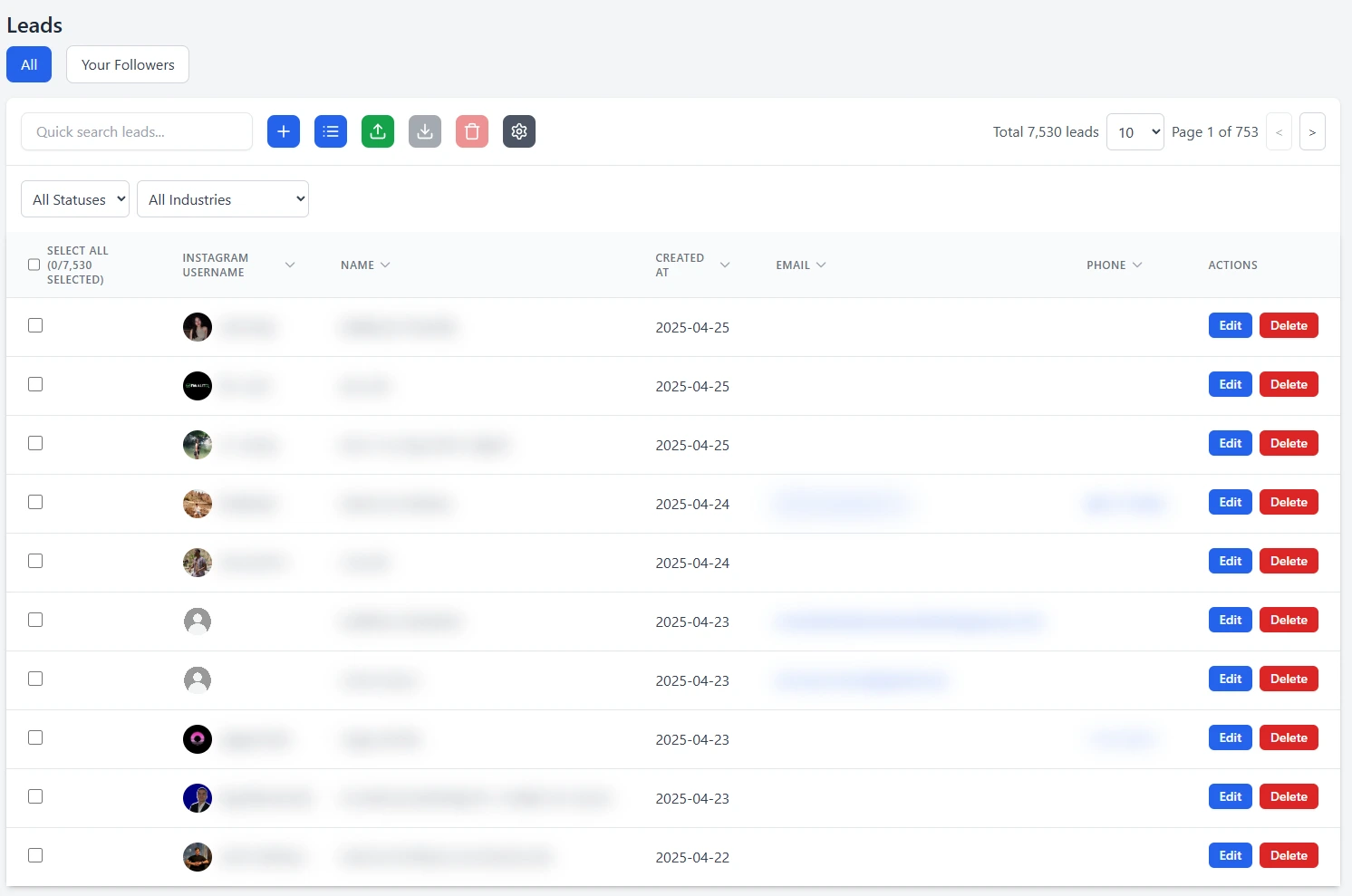
Here's a real campaign breakdown on a live account:
Why creators, brands and agencies run on Inflowave
- Every comment and DM in one inbox , across Instagram and Facebook, so the inbound a creator generates never goes cold.
- Buying-intent comments become CRM leads , captured automatically and ready for follow-up and attribution.
- Instant replies and comment-to-DM at scale , the difference between a campaign that looks good and one that books revenue.
- Influencer plan for creators , run your own brand inbound and lead capture; agency plans for teams managing many clients.
- Pairs with any marketplace , Collabstr gets you the creator and the content; Inflowave makes sure the attention converts.
Start your 7-day free trial and turn creator-driven attention into customers.